

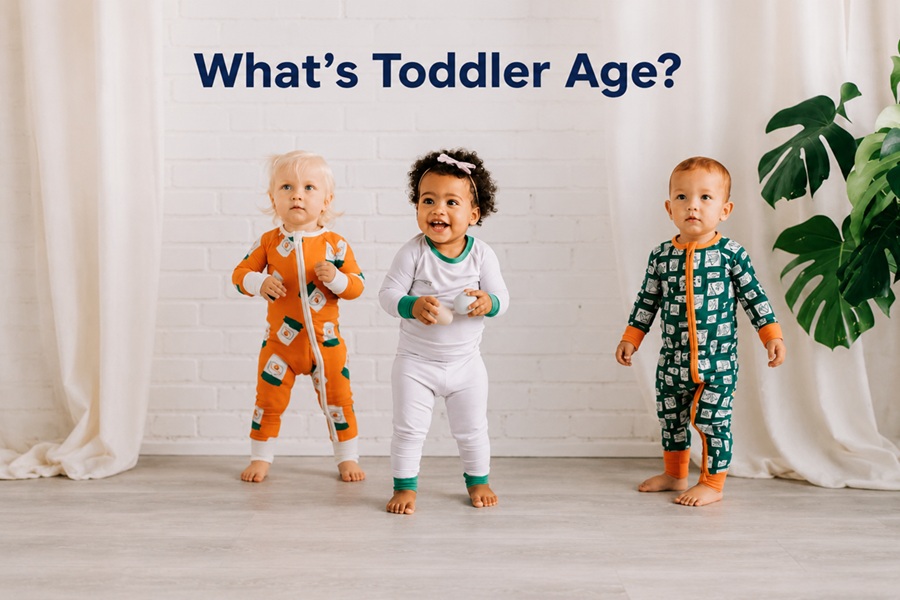
What’s Toddler Age?
Many parents ask, “Whats toddler age?” The toddler stage is one of the most exciting and important phases of a child’s growth. During this period, children begin walking, talking, exploring their surroundings, and developing their unique personalities. Understanding toddler age helps parents provide the right care, nutrition, learning opportunities, and emotional support.
In this guide, you’ll learn everything about what toddler age is, the typical age range, developmental milestones, nutrition, sleep needs, behavior changes, safety tips, and parenting advice.
Table of Contents
Toddler Age Range
| Development Stage | Age Range |
|---|---|
| Infant | Birth to 12 months |
| Toddler | 1 to 3 years |
| Preschooler | 3 to 5 years |
| School-Age Child | 5 to 12 years |
Although every child develops differently, this age range is widely accepted by pediatricians and child development experts.
Why Is the Toddler Stage Important?
The toddler years are among the most important stages of childhood because the brain develops rapidly during this time. Children build the foundation for future learning, communication, behavior, and emotional development.
During Toddlerhood, Children Begin To:
- Walk and run independently
- Speak their first words and short sentences
- Recognize familiar people
- Express different emotions
- Learn through play
- Develop confidence and independence
- Improve hand-eye coordination
This stage is often called the “age of exploration” because toddlers are naturally curious about everything around them.

Toddler Development Milestones
Every child develops at their own pace, but there are several common milestones parents can expect.
Physical Development
Toddlers quickly become stronger and more coordinated.
Common Physical Milestones
- Walking without support
- Running confidently
- Climbing furniture and stairs
- Kicking and throwing a ball
- Holding crayons and drawing
- Stacking building blocks
- Feeding themselves with a spoon
- Turning book pages
- Beginning to jump
As muscles continue developing, toddlers improve their balance and coordination every month.
Cognitive Development
A toddler’s brain develops rapidly through exploration and everyday experiences.
Cognitive Milestones
- Solving simple problems
- Identifying shapes and colors
- Following simple instructions
- Matching similar objects
- Understanding cause and effect
- Engaging in pretend play
- Recognizing familiar faces
- Remembering daily routines
Reading books, puzzles, and educational games encourage healthy brain development.
Language Development
Language skills improve significantly during the toddler years.
Speech Milestones
- Saying first words
- Naming common objects
- Using two- to three-word sentences
- Following simple directions
- Asking simple questions
- Singing nursery rhymes
- Learning new vocabulary every day
Talking, reading, and singing with your toddler every day helps improve communication skills.
Social and Emotional Development
Toddlers begin learning how to interact with others and express their emotions.
Emotional Milestones
- Showing affection toward family members
- Playing beside other children (parallel play)
- Expressing happiness, frustration, excitement, and fear
- Wanting to make simple choices
- Becoming more independent
- Experiencing occasional temper tantrums
Consistent routines and positive encouragement help toddlers feel safe and secure.
Healthy Nutrition for Toddlers
A balanced diet supports healthy growth and brain development.
Healthy Foods to Include
- Fresh fruits
- Vegetables
- Whole grains
- Eggs
- Milk and dairy products
- Lean meat
- Fish
- Beans and lentils
- Yogurt
- Healthy fats
Offering a variety of healthy foods helps toddlers develop balanced eating habits.
Foods to Limit
Parents should reduce foods high in sugar, salt, and unhealthy fats.
Examples Include
- Sugary drinks
- Candy
- Chocolate
- Chips
- Processed snacks
- Fast food
- Sweet desserts
Water and milk remain the healthiest drink choices for most toddlers.
Toddler Sleep Requirements
Good sleep is essential for healthy growth and development.
Recommended Sleep Time
| Toddler Age | Recommended Daily Sleep |
| 1–2 Years | 11–14 hours (including naps) |
| 3 Years | 10–13 hours |
A consistent bedtime routine helps children sleep better and wake up refreshed.
Common Toddler Behaviors
Parents often notice significant behavioral changes during the toddler years.
Normal Toddler Behaviors
- Saying “No” frequently
- Temper tantrums
- Curiosity about everything
- Climbing furniture
- Asking many questions
- Testing rules and boundaries
- Wanting independence
- Copying adults
These behaviors are a normal part of learning and development.
Learning Through Play
Play is one of the most effective ways toddlers learn new skills.
Best Learning Activities
- Reading picture books
- Building blocks
- Coloring with crayons
- Singing songs
- Outdoor play
- Simple puzzles
- Pretend cooking
- Dancing
- Water play (with supervision)
These activities strengthen creativity, language, problem-solving, and motor skills.
Toddler Safety Tips
Toddlers are naturally curious, so creating a safe environment is essential.
Home Safety Checklist
- Install safety gates on stairs.
- Cover electrical outlets.
- Store medicines safely.
- Lock cleaning products away.
- Anchor heavy furniture to walls.
- Keep small objects out of reach.
- Supervise children near water at all times.
- Use properly fitted car seats during travel.
Simple safety measures can prevent many common childhood injuries.
When Should Parents Be Concerned?
Every child develops differently, but parents should consult a healthcare professional if a toddler:
- Is not walking by around 18 months
- Rarely makes eye contact
- Does not respond to their name
- Has very limited speech
- Loses previously learned skills
- Shows little interest in interacting with others
Early evaluation can help identify developmental concerns and ensure appropriate support.
Parenting Tips for Toddlers
Supporting a toddler doesn’t require perfection. Small daily interactions have a lasting impact.
Helpful Parenting Tips
- Read together every day.
- Encourage outdoor play.
- Praise good behavior.
- Maintain consistent routines.
- Offer nutritious meals.
- Stay patient during tantrums.
- Talk and sing often.
- Limit recreational screen time.
- Spend quality time together.
- Encourage curiosity and exploration.
Positive parenting builds confidence and supports healthy emotional development.
Frequently Asked Questions (FAQs)
What age is considered a toddler?
A toddler is generally a child between 1 and 3 years of age.
Is a 2-year-old a toddler?
Yes. A 2-year-old is considered a toddler.
Is a 3-year-old still a toddler?
Many child development experts consider children toddlers until around their third birthday, after which they are typically referred to as preschoolers.
Why are the toddler years important?
The toddler years are important because children develop essential physical, language, emotional, cognitive, and social skills that form the foundation for future learning and healthy development.
Final Thoughts
If you’ve ever wondered, “What’s toddler age?”, the answer is simple. A toddler is generally a child between 1 and 3 years old. These years are filled with remarkable growth as children learn to walk, communicate, solve problems, express emotions, and become more independent.
Every child develops at their own pace, so avoid comparing your toddler with others. By providing a safe environment, healthy nutrition, plenty of opportunities for play, and loving emotional support, parents can help children build a strong foundation for lifelong learning, confidence, and overall well-being.


